Skip to product information
1 of 13

TeaFit

Hojicha

Hojicha

Regular price Rs. 1,079.00
Regular price Rs. 1,199.00 Sale price Rs. 1,079.00
Unit price Rs. 53.95  per  item
Sale Sold out
Tax included. Shipping calculated at checkout.
size
🚚 All items ship the next business day.
🇮🇳 Delivered in India before May 29.
🌍 Delivered Globally between May 31 and Jun 14.

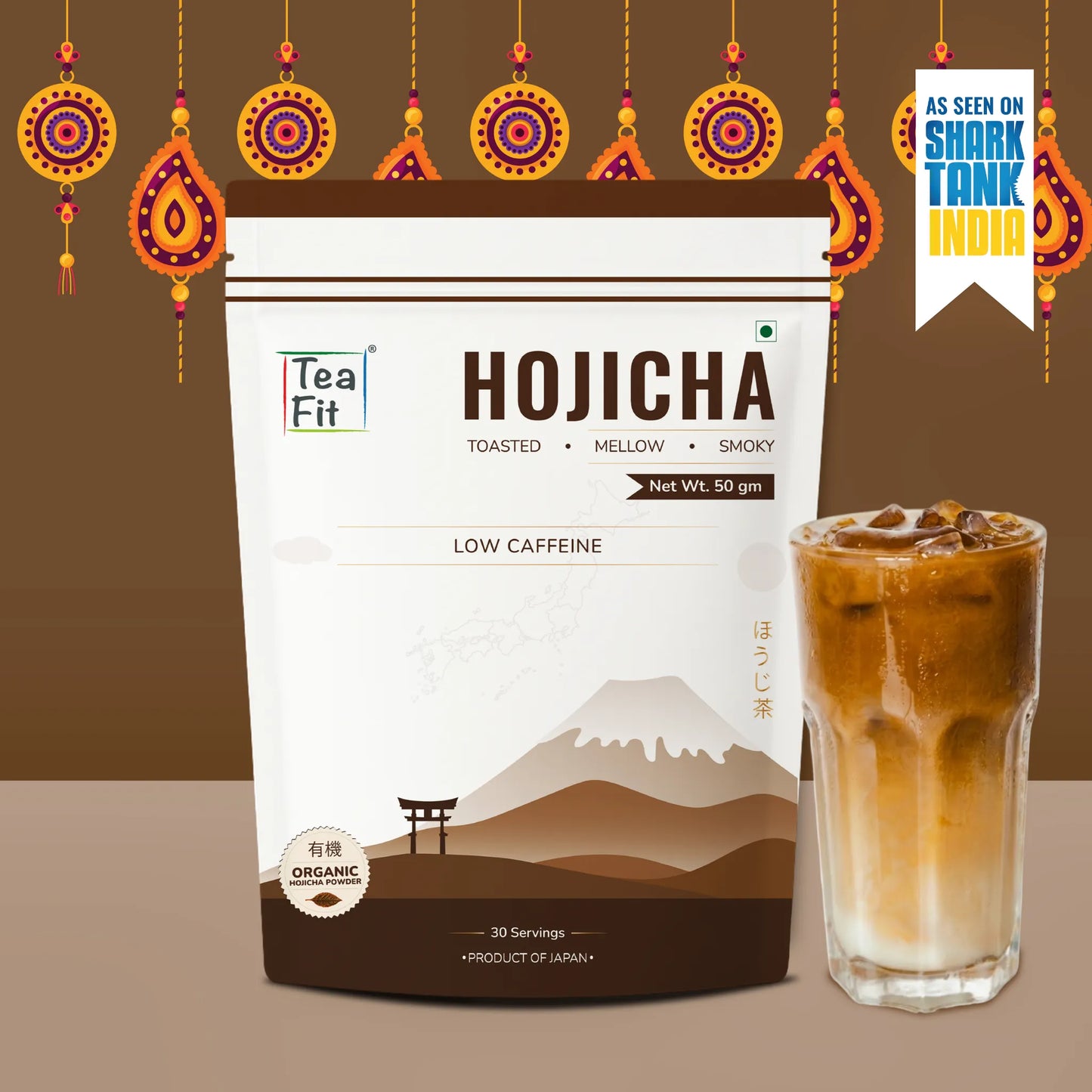
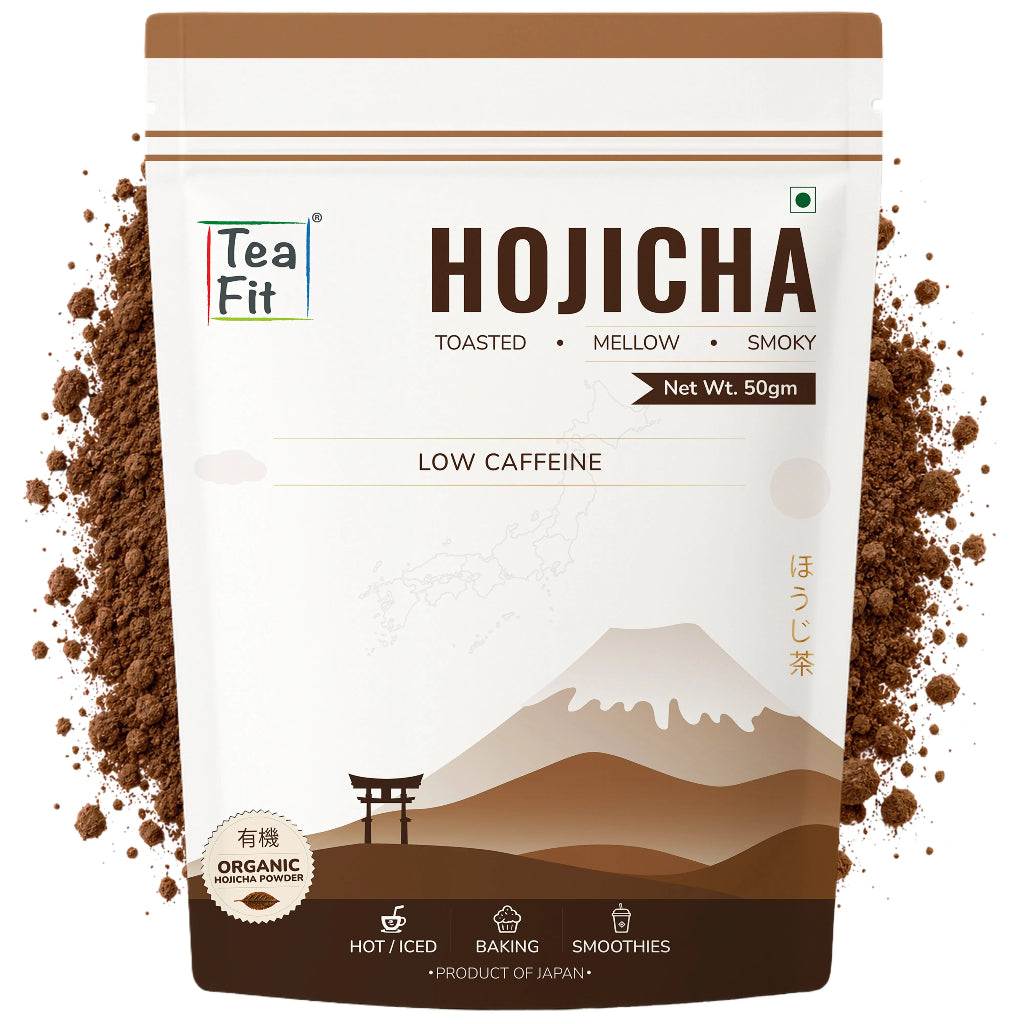
Hojicha is a Japanese green tea that is roasted over heat, changing both its flavour and character. TeaFit's Hojicha is sourced from Japan and built for a cup that is smooth, warm, and easy to drink.

This is not a grassy green tea. Roasting takes away the sharpness and brings out notes of toasted grain and light caramel. The result is a tea that is balanced, without bitterness or edge.

At its core, this comes down to the roast. Heat lowers the caffeine and softens the leaf, which is why Hojicha is naturally low in caffeine. It works well later in the day - after meals or in the evening - when you still want a cup, but not the effect of caffeine.

Each sachet is pre-portioned, so you get the same strength every time without measuring. It works on its own or with milk - consistent and straightforward either way. This is a tea you can have anytime, and especially later in the day.

  • Roasted Japanese Green Tea (Hojicha)
  • Naturally Low in Caffeine
  • Smooth, Toasted Profile
  • No Added Sugar or Sweeteners
  • No Maltodextrin or Artificial Additives
  • Pre-Portioned Sachets

Each box carries 10 sachets, perfectly measured for a consistent cup every time.

Warm, toasty, and easy to come back to - this is Hojicha as it should be.

Product Details

Variety
Instant Powdered Beverage Mix
Size
Pack of 20 (32g) · Pack of 30 (48g)
Country of Origin
Japan
Flavour
Roasted, Toasted
Caffeine
Low caffeine
Dietary
Organic, Vegan, Vegetarian, Lactose-free, Single origin, Low sodium, Low fat, No artificial flavors, No preservatives, No artificial sweeteners, No artificial colors, Sugar-free, no added sugar
View full details

Frequently Asked Questions

All you wanted to know about Hojicha

What is in the TeaFit Hojicha sachet?

TeaFit Hojicha is roasted Japanese green tea, sourced from Japan, supplied in pre portioned single serve sachets.

Each sachet contains 100 percent Japanese hojicha and nothing else. No added sugar, no artificial sweetener, no maltodextrin, no flavouring, no synthetic colour, no preservatives, no anti caking agent, no milk powder.

Hojicha is a Japanese green tea that is dry roasted over heat, which transforms both flavour and character.

The roasting process turns the leaf colour from green to reddish brown, lowers the caffeine content, softens any astringency, and develops the distinctive toasted grain, light caramel, and gentle nutty notes that define the hojicha cup.

Where standard green tea carries a grassy or vegetal edge, hojicha is naturally smooth, balanced, and warming.

The TeaFit Hojicha pack delivers this Japanese roasted green tea in pre portioned sachet form, which preserves the aromatic compounds developed during roasting and removes the measuring, steeping, and straining that loose leaf hojicha would require. The sachet format is naturally vegan and dairy free, with zero added ingredients of any kind

Is TeaFit Hojicha actually sugar free?

Yes, by formulation. TeaFit Hojicha contains zero sugar of any form because the product is just roasted Japanese green tea.

There is no added sugar, no artificial sweetener (no sucralose, aspartame, stevia, acesulfame potassium, saccharin), and no maltodextrin filler. The cup carries zero sugar contribution and zero carbohydrate load.

Many flavoured tea products in the Indian market label themselves sugar free while leaning on maltodextrin as a bulking filler to make the powder pour and dissolve consistently.

Maltodextrin scores 100 to 136 on the glycaemic index, considerably higher than table sugar at 65, which means the cup behaves like sugar in the bloodstream while the front of pack stays compliant.

TeaFit Hojicha contains no such filler. Any natural sweetness you may notice in the hojicha cup comes from caramelised compounds developed during the dry roast, not from any added sweetener of any kind.

This is the same kind of naturally roasted sweetness you find in toasted nuts, roasted barley, or freshly toasted bread, and it is structural rather than added.

Is hojicha tea suitable for low sugar lifestyles?

Yes. TeaFit Hojicha contains no carbohydrates, no sugar, and no sugar contribution, making it a clean fit for adults building a low sugar daily routine.

A standard cup contributes essentially zero calories and zero grams of carbohydrate. The roasted Japanese green tea leaf is the entire formulation, with nothing else in the sachet.

As a result your Hojicha cup contents are simple: roasted Japanese green tea, hot water, nothing else.

Hojicha as a category has historically been the after meal and late afternoon tea of choice in Japan, partly because the low caffeine content suits later in the day and partly because the cup has long been considered easy on the palate after meals.

The TeaFit Hojicha pack delivers this Japanese tea standard without any of the additions common to flavoured Indian green tea blends, including the sugar and the maltodextrin.

Where is TeaFit Hojicha sourced from?

TeaFit Hojicha is sourced from Japan.
The roasting itself is carried out in Japan using the traditional hojicha method, which uses dry heat to develop the characteristic toasted grain and caramel notes that define the cup.

The roasted Japanese green tea is brought into India in pre portioned single serve sachet form to preserve aroma and freshness from origin to consumer.

The reason origin matters for hojicha is that the category is defined by the roast, and the roast is defined by Japanese tea craft.

Generic roasted green tea blended from unspecified origins and roasted in industrial drum equipment outside Japan does not produce the same cup.

Japanese hojicha uses controlled dry heat applied to specific leaf cuts (typically including kukicha twigs and bancha mature leaves), which is why the cup turns out smooth and naturally low in caffeine rather than burnt, dusty, or astringent.

TeaFit Hojicha buys this craft expertise from established Japanese sources rather than approximating it through cheaper substitutes. This is the same logic that runs through the brand matcha range sourced from Uji, Japan.

How do I make a cup of TeaFit Hojicha?

Three steps, sixty seconds, no equipment beyond a cup and hot water.

Step 1: tear open one TeaFit Hojicha sachet and empty the contents into a cup.
Step 2: pour 150 to 200 ml of hot water (kettle, dispenser, or stovetop water all work).
Step 3: stir for 20 to 30 seconds. Drink hot. No measuring, no steeping timer, no strainer, no whisk, no infuser required.

Each TeaFit Hojicha sachet is pre portioned for one consistent cup. This is the structural difference from loose leaf hojicha: with loose leaf, you measure leaves, time the steep, control water temperature, and strain before drinking.

The TeaFit sachet skips all of that because the sachet is pre portioned and the powder integrates instantly. The cup works equally well on its own with hot water or with a splash of dairy or plant milk added afterwards.

For a hojicha latte, prepare the sachet with 100 ml of hot water first, then top with 100 to 150 ml of warm dairy milk or oat milk for a creamy roasted Japanese tea cup. For an iced hojicha, prepare with 100 ml of hot water, dissolve, then pour over ice and dilute with cold water or cold milk to taste.

How much caffeine is in TeaFit Hojicha?

Naturally low.
TeaFit Hojicha contains substantially less caffeine than regular green tea, black tea, matcha, or coffee, because the dry roasting process itself reduces the caffeine content of the leaf.

Exact levels vary with leaf base, but hojicha as a category sits at the lowest end of the caffeinated tea range, well below sencha, matcha, or chai.

The naturally low caffeine is the structural reason hojicha became the after meal and late afternoon tea of choice in Japan. The cup feels warming, smooth, and satisfying without the stimulant intensity of strong coffee or strong black tea.

For most adults, TeaFit Hojicha can be consumed within two to three hours of intended sleep without significant disruption, though individual caffeine sensitivity varies. The cup is commonly chosen by adults who want a warm beverage ritual without the caffeine load of their usual coffee or chai.

FSSAI guidance for healthy adults sits at 400 mg of caffeine per day; hojicha consumption uses very little of that allowance, leaving room for morning chai or matcha within the same day.

Does TeaFit Hojicha contain any allergens?

No major allergens.

TeaFit Hojicha contains only one ingredient: roasted Japanese green tea.

The pack contains no milk, no nuts, no soy, no gluten, no egg, no shellfish, no sesame, no sulphites, no peanuts. The product is naturally vegan, naturally dairy free, naturally gluten free, and naturally low caffeine, with nothing in the sachet other than the leaf itself.

For travellers, food allergy households, and vegan consumers, hojicha is one of the cleanest tea options available because the leaf is the entire formulation.

The pack contains no anti caking agent, no flavouring, and no preservative, which removes the most common hidden allergen sources in flavoured premix beverages.

The product is processed in a facility that handles other tea products including matcha and chai premixes; direct cross contamination with major allergens such as milk, nuts, or gluten is not a concern at our facility, but consumers with severe sensitivities should review the back panel of every pack.

Each sachet inside the box carries the full ingredient and allergen statement on its outer wrap for clarity.

Can I drink TeaFit Hojicha vegan, and does it work with plant milk?

Yes to both. TeaFit Hojicha is naturally vegan and dairy free with zero modifications required.

The sachet contains only roasted Japanese green tea. For a hojicha latte made vegan, prepare the sachet with hot water and top with warmed oat milk, almond milk, soy milk, or any other plant milk of choice. The cup integrates cleanly with both dairy and plant milks.

Hojicha pairs especially well with oat milk because the natural creaminess of oat milk complements the toasted grain and light caramel notes of the roasted Japanese tea, mirroring what dairy milk traditionally does in a hojicha latte.

Almond milk also works and brings a slightly nuttier emphasis to the cup. Soy milk gives a denser body more like dairy. The sachet powder integrates into either water or warm milk without clumping, which is a practical advantage over loose leaf hojicha for plant milk preparations.

Vegan adults commonly include the TeaFit Hojicha sachet in a daily rotation alongside the matcha range and the dairy free Sukku Malli premix for a fully vegan tea routine.

Is TeaFit Hojicha as good as making roasted green tea at home?

For everyday consistency, the sachet is the simpler and more reliable option.

The homemade route to hojicha quality requires sourcing Japanese leaf, controlling roast equipment, and managing freshness across multiple cups. TeaFit Hojicha takes that entire chain and pre portions it into single serve sachets, ready in 60 seconds without equipment.

Roasting your own hojicha at home is possible but requires green tea leaf with the right cut, dry heat equipment with controllable temperature, and an experienced palate to know when the roast has reached optimal toasted character without crossing into burnt territory.

Most home setups produce uneven roasts and waste expensive Japanese leaf in the learning process. Loose leaf Japanese hojicha bought ready roasted from a specialist tea retailer remains a strong choice for tea enthusiasts who want to control steep time and water temperature on each cup.

The TeaFit Hojicha sachet covers the everyday use case where consistency, speed, and simplicity matter more than ceremonial preparation, and the brand reserves the loose leaf experience for those who actively want it

How is TeaFit Hojicha different from regular green tea or other roasted tea products?

There are many differences.

First, the leaf: real Japanese hojicha rather than generic green tea labelled roasted.

Second, the format: pre portioned single serve sachets, not loose leaf or bleached paper tea bags.

Third, the formulation: 100 percent hojicha, no flavouring, no maltodextrin, no added sugar, no premix carriers of any kind, no milk solids.

Most flavoured roasted tea products on Indian shelves are blended from unspecified green tea origins, often roasted using industrial equipment that produces inconsistent character, and frequently combined with flavouring or sweeteners to compensate for under developed roast notes.

Regular green tea products, even from premium brands, deliver the grassy vegetal cup that hojicha was specifically developed in Japan to move beyond.

The TeaFit Hojicha sachet sits in a different category: real Japanese roasted green tea, single ingredient, no sweetener, no flavouring, no filler, in a pre portioned format that retains aroma and removes equipment from the everyday cup.

The hojicha price point reflects the real Japanese sourcing rather than commodity Indian green tea sourcing, and the pack value is calculated against this baseline.

What does TeaFit Hojicha taste like?

Toasted grain and light caramel up front, with a smooth body and a clean finish. Naturally lower in astringency than green tea, with a gentle nutty quality and zero grassiness. The cup tastes warm, balanced, and finished, in a way that feels closer to roasted barley tea or a light coffee than to standard green tea or matcha.

First time hojicha drinkers familiar only with green tea typically notice the difference within the first sip. Where green tea opens with vegetal sharpness, hojicha opens with a warm toasted aroma reminiscent of freshly baked bread or roasted nuts, settles into a balanced body, and finishes clean without bitter aftertaste.

The colour of the brewed cup is reddish brown rather than green, which often surprises new drinkers expecting the green tea family colour. The naturally low caffeine and the absence of grassy bitterness make hojicha the daily cup that feels indulgent without being heavy, an unusual combination in the tea range.
The cup drinks well hot in winter and chilled over ice in summer, with both formats requiring no sweetener to be enjoyable.

How often can I drink TeaFit Hojicha in a day?

As often as you like. The naturally low caffeine content means hojicha can be consumed across the day without disrupting sleep for most adults, including in the late afternoon and early evening. Two to four cups across the day is a typical pattern. Daily caffeine totals stay well within FSSAI guidance even at higher counts.

The traditional Japanese pattern of hojicha consumption concentrates in the afternoon and evening, with the cup served warm after meals and during conversation. The TeaFit Hojicha sachet fits naturally into the same pattern.

Adults sensitive to caffeine in their morning chai or coffee often switch to hojicha for the afternoon slot, because the cup keeps the warm beverage ritual without adding stimulant load.

Hojicha also fits into evening wind down routines for adults who want a warm cup before bed without the full caffeine impact of black tea or coffee.

Within the TeaFit range, hojicha pairs naturally with the morning matcha and the afternoon chai for a structured caffeine taper across the day.

What naturally occurring compounds are in TeaFit Hojicha?

The roasted Japanese green tea leaf carries a documented set of compounds, including L theanine (the amino acid associated with the savoury character of green tea), a reduced level of catechins compared to unroasted green tea, characteristic pyrazine compounds developed by the dry roast (responsible for the toasted aroma), and naturally low caffeine.

The dry roasting process applied to make hojicha reduces certain catechin levels relative to fresh green tea while developing the pyrazine family of toasted compounds that give the cup its characteristic aroma.

The single ingredient formulation means there are no added compounds from sweeteners, fillers, or flavouring agents to track separately. Adults curious about specific compound levels in Japanese hojicha can refer to standard published tea science literature, which the brand draws on rather than reinventing.

How long does Hojicha stay fresh?

TeaFit Hojicha sachets carry a shelf life of 12 months from the manufacture date, with the manufacture date and best by date printed on each individual sachet. Each sachet is heat sealed, opaque, and pre portioned.

Store the box in a cool dry place away from direct sunlight, strong odours, and humidity, and the toasted aroma stays intact through the shelf life.

The pyrazine and caramelised compounds responsible for the toasted aroma of hojicha are relatively stable but slowly fade with light, heat, and oxygen exposure over extended periods. The opaque heat sealed sachet protects against all three.

Once a sachet is torn open, finish the cup; do not store partial sachets.

The pack uses no preservatives because individually sealed sachets do not need them. Avoid storing TeaFit Hojicha next to coffee, strong perfumes, or pungent spices, since the box can absorb ambient odours that compete with the toasted Japanese tea aroma. For adults who go through hojicha quickly across the day, the sachet format also avoids the loose leaf staleness problem common in opened tea tins exposed to air.

How many sachets are in a TeaFit Hojicha box and what certifications does it carry?

Each TeaFit Hojicha box contains 10 single serve sachets, with each sachet pre portioned for one consistent cup. Manufactured under FSSAI license held by Battlestar Food Technologies Pvt. Ltd. Each sachet carries the FSSAI license number on the back panel and the standard FSSAI vegetarian indicator (the product is purely roasted Japanese green tea with no animal ingredients).

TeaFit Hojicha is classified as vegetarian under FSSAI rules and is also naturally vegan, dairy free, and gluten free.

The pack indicates Japanese origin of the leaf, the dry roast method, and the absence of added sugar, artificial sweetener, maltodextrin, flavouring, colour, and preservative. Custom configurations and bulk orders are available for cafes, restaurants, and corporate gifting on direct request.

The pack is shelf stable without refrigeration, which makes it suitable for retail, café service, and home storage alike, and the sachet format prevents the loss of toasted aroma that loose leaf hojicha typically suffers from once the tin is opened.

Is TeaFit Hojicha better than loose leaf hojicha or hojicha tea bags?

Loose leaf hojicha gives more brewing control to tea enthusiasts who want to vary water temperature and steep time per cup.

Hojicha tea bags from category brands are typically paper bag wrapped with bleach residue and lower grade leaf.

The TeaFit Hojicha sachet sits between the two, premium leaf in pre portioned form, ready in 60 seconds.

For tea enthusiasts who actively enjoy controlling brewing parameters, loose leaf Japanese hojicha bought from specialised tea retailers remains a strong choice. For adults who want the toasted Japanese roasted green tea cup without the equipment or the brewing time, the TeaFit Hojicha sachet covers the use case more cleanly.

Most hojicha tea bags sold in supermarket shelves use lower grade leaf cuts and paper bags that introduce a faint paper note to the cup, which dilutes the actual hojicha character. The TeaFit sachet is heat sealed, opaque, and contains powder rather than leaf fragments, which dissolves cleanly in 30 seconds without paper or bleach in the brew.

When is the best time to drink TeaFit Hojicha?

Afternoon, evening, after meals, before bed, and any time of day when a low caffeine warm beverage is wanted. The naturally low caffeine and smooth toasted character make hojicha the cup that fits where strong tea, coffee, and matcha do not, especially in the late afternoon and evening hours when caffeine sensitive adults switch off coffee.

For adults sensitive to caffeine after midday, hojicha replaces the afternoon chai or coffee cup without disrupting evening sleep. For after meal use, the cup is light and clean enough to follow lunch or dinner without sitting heavy.

For winter evenings, the toasted aroma matches the warming character that adults reach for when the day winds down. For pairing with food, hojicha works exceptionally well with Japanese cuisine, baked goods, dark chocolate, and Indian sweets.

The cup also serves well chilled over ice in summer for a smooth iced tea that does not require sweetening to be enjoyable. Within the TeaFit range, hojicha pairs naturally with the caffeine free Sukku Malli and Turmeric Latte, and complements the morning matcha and afternoon chai for a structured caffeine taper across the day.